Dr. de Clermont-TonnerrePlastic Surgeon

Paris 16th & Pontoise (95)

Clitoris Surgery

Reconstruction & Clitoroplasty — Paris 16th & Pontoise

Clitoris reconstruction is a restorative surgery performed after female genital mutilation (FGM/excision), trauma or as part of gender transition. Performed in Paris 16th and Pontoise in a confidential and compassionate setting, it may be covered by health insurance in cases of genital mutilation.

Book an Appointment

Indications

When to Consult?

Reconstructive

Genital mutilation (FGM/excision)

The Foldès technique for freeing the buried clitoral stump liberates the buried nerve fibres and restores clitoral sensitivity and volume. Covered by French health insurance.

Reconstructive

Trauma or surgery

Reconstruction after accidental injury, pelvic oncological surgery or complication of a prior procedure. Covered on a case-by-case basis depending on context.

ALD 31

Gender transition

Creation of a sensitive neoclitoris as part of MtF vaginoplasty, or FtM clitoroplasty (genital masculinisation). ALD 31 pathway.

Step by step

How the Procedure Works

01

Confidential consultation

Assessment of the situation, clinical examination, discussion of functional and aesthetic objectives. Assistance with coverage procedures.

02

Pre-operative assessment

Standard blood work, anaesthesiologist consultation. Coordination with the GP or multidisciplinary team as needed.

03

Procedure

General anaesthesia. Technique adapted to the situation: stump liberation, partial or total reconstruction. Duration 1 to 2 hours.

04

Hospitalisation

1-night stay. Dressings and local care for 2 to 3 weeks.

05

Follow-up

Regular follow-up consultations. Progressive recovery of sensitivity over 3 to 6 months.

In Practice

Duration
1 to 2 hours
Anaesthesia
General
Hospitalisation
1 night
Sick leave
3 to 4 weeks
Sensitivity recovery
3 to 6 months
Insurance coverage
Covered if FGM documented

Résultats

Avant / Après

Clitoris Surgery

Photos de patients du Dr. de Clermont-Tonnerre, partagées avec leur accord. Les résultats varient selon les individus et leur morphologie.
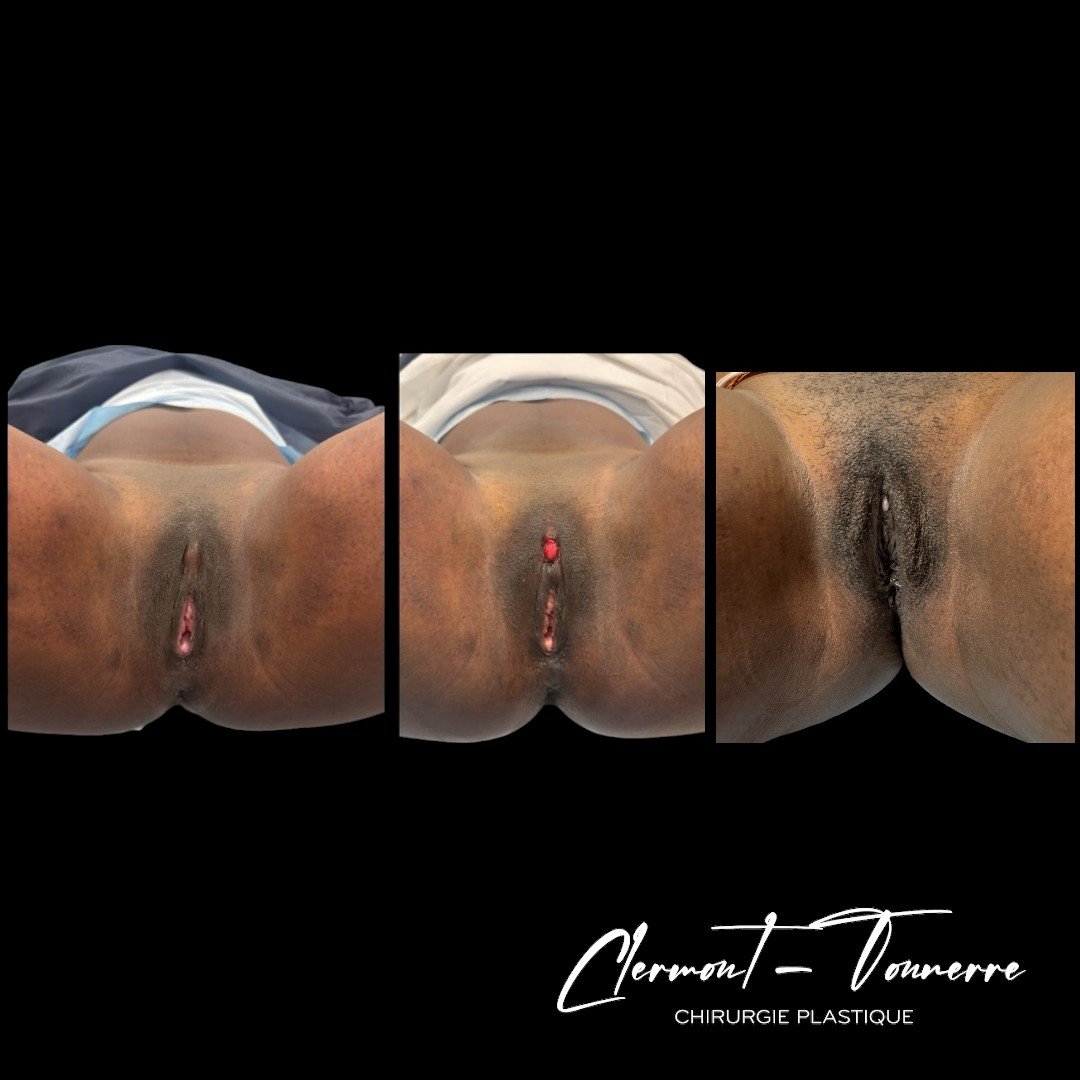
Clitoris surgery — clitoroplasty reconstruction result

Frequently Asked Questions

In what cases is clitoris reconstruction indicated?+
Clitoris reconstruction may be indicated in several situations: following female genital mutilation (FGM, types I, II or III), after trauma or accidental injury, in the context of pelvic oncological surgery, or as part of gender transition (neoclitoris in MtF vaginoplasty). Each situation is assessed individually during a compassionate and confidential consultation.
Is clitoris reconstruction after FGM covered by health insurance?+
Yes, clitoris reconstruction after female genital mutilation (FGM/excision) is covered at 100% by French health insurance. It is recognised as a reconstructive act. A medical certificate documenting the mutilation is required. Dr. de Clermont-Tonnerre will assist you in compiling the file during the preliminary consultation.
Can sensitivity be recovered after clitoris reconstruction?+
The Foldès technique (liberation of the buried clitoris) allows partial to complete recovery of erectile and erogenous sensitivity in approximately 70 to 80% of cases. The nerve fibres buried under the scar tissue are freed during the procedure. Results vary depending on the initial extent of the mutilation and the time elapsed since excision.
What does the Foldès technique involve?+
The technique described by Prof. Pierre Foldès consists of freeing the clitoral stump buried beneath the scar hood. The clitoris is not destroyed during excision but simply buried — it remains sensitive and can be surgically freed. The technique preserves nerve and vascular connections to maximise functional and sensory recovery.
What is the recovery time?+
Recovery takes 3 to 4 weeks before normal activities can resume. Sexual intercourse can be resumed after 6 to 8 weeks. Complete healing and progressive recovery of sensitivity extend over 3 to 6 months. Regular medical follow-up is provided throughout this journey.
Is a multidisciplinary consultation required before surgery?+
Yes, a multidisciplinary approach is recommended before the procedure. It may include a psychological consultation, support from a specialist midwife or a social worker depending on the patient's situation. Dr. de Clermont-Tonnerre coordinates this pathway and refers you to appropriate professionals during the initial consultation.
Does reconstruction apply only to type I and II mutilations?+
No, the Foldès technique can be proposed for type I (excision of the hood and/or clitoris) and type II (excision of the clitoris and labia minora) genital mutilations. Type III mutilations (infibulation) require prior deinfibulation, which may sometimes be performed in the same operative session. Feasibility is assessed during the clinical consultation.
Is the procedure performed under general anaesthesia?+
Yes, clitoris reconstruction is performed under general anaesthesia. The procedure lasts 1 to 2 hours and is followed by a 1-night hospitalisation for monitoring and post-operative pain management. Discharge takes place the following day with precise care instructions.
Are scars visible after reconstruction?+
The scar resulting from the procedure is discreet, generally located in the natural folds of the clitoral region. It integrates into the anatomical contours and becomes barely visible at 3 to 6 months post-operatively. The priority objective is functional and sensory restoration rather than aesthetics alone.
Is the consultation confidential?+
Absolutely. Dr. de Clermont-Tonnerre receives his patients in a strictly confidential and compassionate setting. These consultations are conducted without judgement, with respect and discretion. Medical secrecy is guaranteed. No information is transmitted without the explicit consent of the patient.

Testimonials

After years of suffering following mutilation, I finally found the courage to consult. Dr. de Clermont-Tonnerre received me with extraordinary compassion and respect. The reconstruction gave me part of myself back.

Anonymous

Consultation in complete confidentiality. Dr. de Clermont-Tonnerre took time to explain everything and answer all my questions. The insurance coverage process was well supported.

K.